Let’s face it—talking about fiber isn’t exactly dinner-party material. But if tummy troubles, sluggish digestion, or that unshakeable bloat are starting to feel like unwelcome roommates, it’s time to give fiber some real attention. And the good news? You don’t have to overhaul your whole life. Small changes add up—even when you’re living in a senior living community and sticking to familiar routines.
Start Slow, Not Shockingly
Jumping into a mountain of fiber overnight? That rarely goes well. Think of your gut bacteria like that one friend who needs time to warm up—they resist change. So, ease in. Here’s a science-approved goal: around 25 to 30 grams of fiber a day for most adults, a bit less for women over 50 (around 21 grams) and a bit more for men (around 30). Grow into that slowly, and drink your water—fiber works best when it’s hydrated.
Make Every Meal Count
Now, let’s talk real world. At breakfast, swap your low-fiber cereal for oats—rolled oats pack a solid punch of soluble fiber and make your bowl feel like a cozy hug. Toss in berries for extra crunch and nutrient bump. Around lunch or dinner, choose whole grains—brown rice, quinoa, whole-wheat bread—they’re not just trendy, they deliver fiber and fill you up faster. Then, sprinkle some chia or flax seeds in your yogurt or salad. Tiny, but mighty.
Snack Smart, Not Mindlessly
Here’s something I do: keep a little stash of air-popped popcorn at arm’s reach when I’m reclining with a good book. It’s a whole grain, light, and gives me about 3 to 4 grams of fiber per cup. Not to mention, it’s satisfying without feeling like punishment.
Other smart snack moves? A handful of almonds or an apple with the peel still on. Those skins? They’re where a lot of the fiber hangs out. And if you’re craving something creamy, avocado toast does the trick—savory, comforting, and fiber-rich.
Add Legumes and Veggies Without Overthinking
Beans, lentils, chickpeas—these are fiber champs. Toss them into soups, salads, or even mash ‘em as spreads. Even half a cup gives you a good chunk of your daily goal . And veggies? Don’t just eat them—make them front and center. Start each meal with a soup, salad, or stir-fry loaded with broccoli, Brussels sprouts, carrots—they’re fiber gold, especially when you eat the skin or stem .
Keep It Pleasant—and Real
This isn’t about perfection. It’s about making fiber feel friendly. Maybe you swap one thing a week. Maybe you explore new flavors like avocado-lentil mash or chia pudding. Keep it fun, varied, and tuned to what feels doable. You deserve to feel good from the inside out.
At the end of the day, your body—and your gut—will say thanks.
Trying sprays or powders from the hardware store might seem like a quick fix, but they rarely reach deep enough into baseboards, floorboards, or soft furniture to stop the breeding cycle. Adult insects are just the tip of the problem. Eggs and larvae stay hidden in carpets, bedding, and cracks–completely untouched by surface treatments.
Licensed technicians use targeted products that aren’t available to the public. These treatments include insect growth regulators (IGRs), which stop immature stages from maturing into biting adults. That part is often overlooked in DIY attempts. Without halting the development cycle, you’ll keep seeing bites week after week, even after cleaning thoroughly.
Timing also matters. A follow-up visit is almost always necessary about two weeks after the first treatment. Otherwise, any eggs that survived could start the cycle again. In my experience, missing that second appointment is the biggest reason people say, “It worked at first, but then they came back.”
One more thing–vacuuming daily for at least 7–10 days after professional service can dramatically increase success. It sounds tedious, and yes, it’s a pain, but it physically removes developing insects and stimulates dormant ones to emerge and be exposed to treatments.
If you’re in Calgary and dealing with this kind of issue at home, contacting a licensed service like The Pest Control Guy makes the most sense. It’s not just about killing what you see–it’s about breaking the cycle where it starts.
Flea elimination in homes and on pets: what actually works
Direct treatment of indoor areas with targeted insecticides–especially those containing IGRs (insect growth regulators)–disrupts the flea life cycle where it thrives most: carpets, cracks, baseboards, pet bedding. This isn’t a one-time spray and done thing. It usually takes multiple rounds, spaced out by 10–14 days, to hit each generation as they hatch. If you’ve ever stepped into your living room and immediately felt bites at your ankles, you’re already too late for DIY fixes.
Furniture, rugs, even behind baseboards–those are the hot zones. Vacuuming daily during treatment periods isn’t optional; it’s necessary. Empty the vacuum outside after each session. Steam cleaning helps too, but only after the first chemical application. Otherwise, it dilutes everything.
Animals in the home need to be treated at the same time. Otherwise, they keep carrying pupae and eggs back into cleaned zones. Vets usually recommend oral or topical solutions like spinosad or fipronil. Flea collars rarely hold up in active infestations. Trust me, I tried three brands before giving up and going the vet route. That’s when the situation turned around.
It’s also worth checking for overlap with other infestations. For instance, carpet beetles sometimes get mistaken for fleas in their larval stage. Misidentifying the issue leads to wasted effort–and more bites.
One more thing: it’s common to see fleas even after treatment begins. That doesn’t mean it’s not working. Some eggs survive and hatch later, which is why follow-up visits are non-negotiable. Skipping one lets the cycle start over, quietly, until it’s a full outbreak again.
How pest control treatments work to eliminate flea infestations indoors
Start with targeted treatment across carpets, floorboards, pet bedding, and furniture – anywhere fleas hide or lay eggs. Indoor outbreaks rarely resolve without professional-grade solutions that reach deep into fabric and crevice. Over-the-counter sprays might reduce adult numbers, but they won’t touch larvae or pupae buried in carpets or beneath furniture. That’s where licensed technicians step in.
Most professionals use a combination of insect growth regulators (IGRs) and residual insecticides. IGRs don’t kill adult parasites directly, but they prevent younger stages from maturing or reproducing. It interrupts the life cycle in a way that home remedies can’t. That alone makes a difference, but timing matters too. A second application is often scheduled 10–14 days later to wipe out any new adults that emerged after the first visit.
Vacuuming plays a surprisingly big role. Technicians often recommend vacuuming before and after treatment – not just floors but upholstered furniture and mattress seams. It stimulates eggs and pupae to hatch prematurely, exposing them to the chemicals sooner. Wash anything washable in hot water. That’s non-negotiable if you want to stop the cycle.
Also – and this is where people sometimes hesitate – every animal in the home needs to be treated at the same time. If the dog is on vet-prescribed protection but the cat isn’t, the problem won’t resolve. You’ll get temporary relief indoors, but reinfestation is just one nap on the rug away.
So yes, it takes a bit of coordination. But once the environment is treated, all hosts are protected, and follow-up steps are done properly, indoor populations usually collapse quickly. It’s just not something to delay. Each day adds more eggs to the problem.
What to expect during a professional flea extermination service
Book the appointment, and expect to prep your home first. Vacuum thoroughly–carpets, furniture, floor edges, pet beds. Then empty the vacuum outside. Remove clutter. Wash pet bedding on high heat. These steps aren’t optional. Skipping prep weakens the results significantly.
The technician will likely use a combination of insect growth regulators (IGRs) and residual adulticides. IGRs interrupt the development cycle–no more eggs turning into biting adults. The residual spray knocks back existing insects over several days. The combo matters because a one-time knockdown never works alone.
What happens during the treatment?
They’ll start with an inspection–baseboards, under furniture, around pet rest areas.
Next comes targeted application. They won’t just spray everything blindly. Areas with signs of activity get priority.
Furniture may be slightly lifted or shifted. Floor-level heating vents often get attention too.
Most visits last 45–90 minutes depending on square footage and severity.
You’ll need to vacate during treatment and stay out for at least 4 hours. Sometimes longer if sensitive individuals or pets are involved. Check with the technician–some products require extended ventilation.
What happens after?
Expect increased flea activity in the first 3–5 days. It’s not a failure–it’s larvae reacting before the IGRs kick in.
Daily vacuuming is recommended for two weeks. It helps remove survivors and stimulates dormant cocoons to emerge into treated zones.
Don’t shampoo carpets or mop floors for at least 10–14 days, or you’ll remove the treatment layer too soon.
If the infestation was advanced, a follow-up might be necessary around the 2–3 week mark. Ask during the first visit what they recommend. And if you’re wondering how treatment frequency compares to other issues like spiders, this article might help: how often should pest control be done for spiders.
How long it takes for treatment to eliminate fleas and keep them from returning
Expect initial results within 24 to 48 hours, but complete interruption of flea activity inside a home often takes 2 to 3 weeks. That’s not due to the treatment being slow–it’s because of how flea life cycles work. Eggs and pupae can survive initial applications and continue to emerge for days or even longer. So if you still notice movement after a week, that doesn’t mean the treatment failed. It just means more larvae were waiting to hatch.
Adult fleas are usually neutralized shortly after surfaces are treated, but immature stages are much harder to reach. This is why follow-up cleaning and vacuuming matter so much. Regular vacuuming (daily, if possible) helps remove new hatchlings and stimulates more emergence from cocoons, forcing them into contact with treated zones. Missing that step delays the process.
To prevent a comeback, especially if pets live in the home, it’s worth pairing interior treatment with vet-approved animal care. Skipping that part just gives the problem a way back in. Some homeowners also ask about long-term methods–like integrated or natural approaches. If you’re curious, here’s more on what is a biological pest control, which may support long-term strategies depending on the environment.
Reinfestation risk stays highest during the first few weeks, so it’s smart to hold off on steam cleaning or washing treated floors too early. If needed, a second visit can be scheduled after 3 to 4 weeks to catch any survivors. But in most cases, with prep done right and pets protected, one round is enough.
Q&A:
How does professional pest control treat a flea infestation inside a home?
Professional pest control typically uses targeted insecticides that attack fleas at various stages—eggs, larvae, and adults. The process involves treating carpets, baseboards, pet bedding, and furniture to eliminate fleas hiding in cracks and fabric. Technicians may also recommend vacuuming before and after treatment to remove flea eggs and improve results. Treatments can take several visits to fully break the flea lifecycle.
Can pest control services treat fleas on pets directly?
Most pest control companies focus on treating the environment rather than the pets themselves. For fleas on pets, veterinarians usually recommend specific flea treatments like topical solutions, oral medications, or flea collars. Some pest control services coordinate with vets or suggest safe products for pets to use alongside environmental treatments, but direct application on animals is generally outside their scope.
How long does it usually take to eliminate fleas using pest control?
Getting rid of fleas completely may require multiple treatments spaced over a few weeks. Fleas lay eggs that hatch after a delay, so a single treatment might not catch newly hatched fleas. Generally, flea populations diminish significantly after two or three sessions, combined with proper cleaning and pet care. The full process can range from two to six weeks, depending on infestation severity.
Are there any risks or precautions to consider with pest control flea treatments?
Some flea treatments involve chemicals that could cause reactions in sensitive individuals or pets. It’s important to follow safety guidelines such as ventilating rooms after spraying, keeping children and pets away during application, and washing pet bedding thoroughly. Informing the pest control operator about any allergies or pet health issues helps tailor the approach safely.
Can pest control prevent fleas from returning after treatment?
While pest control can remove the current flea population, preventing future infestations depends on ongoing steps. This includes regularly treating pets with flea preventatives, maintaining clean living spaces, and controlling outdoor environments where fleas thrive. Some companies offer follow-up visits or maintenance plans to help monitor and reduce flea risk long-term.
Is it possible for pest control services to completely eliminate fleas from a home?
Pest control companies apply targeted treatments designed to remove fleas from indoor environments. These treatments typically include insecticides that act on various stages of the flea life cycle—eggs, larvae, and adults—helping to break the infestation cycle. While these services significantly reduce flea populations, full elimination depends on thorough treatment of all affected areas, including carpets, furniture, and pet bedding. Additionally, treating pets directly and maintaining ongoing preventive measures at home are important steps to avoid reinfestation after the professional service.
For most of us, we don’t think about our heart health until something starts to concern us about it. After all, our heart health isn’t exactly the kind of thing that’s on our mind at 21 years old. Yet, the truth is your heart health is something you should be concerned with as early on as possible.
Your heart is a big deal, after all! It works around the clock without ever taking a day off and is the primary engine for keeping everything running smoothly. So, it makes sense to prioritize it, right? If you can start prioritizing your heart health at a young age, then you’ll find that over the age of 80, your heart health will be impeccable. Here are a few mindful shifts in your lifestyle and routine that can make a big difference for your heart.
Move More
Before you assume that you have to start enrolling yourself in half-city marathons, the good news is that you don’t. You don’t need to pull out your running shoes just yet. You don’t even need a membership at the gym if you don’t want to. Something as simple as going for a walk every morning—even just 30 minutes a day at a moderate pace—can significantly lower your risk of heart disease.
Even though you may not be motivated to go for a walk today, think of it as putting a penny in the piggy bank for your future self. Every step counts, so get moving and get some fresh air! Not only will you improve your heart health, but studies show that you’ll significantly improve your mental health as well.
Be Mindful of Diet
No one is asking you to start weighing out your pasta or meticulously removing the egg yolk from your omelet. If your goal is a healthier heart, then it’s as simple as making better choices. In other words, if you have a choice between pizza for dinner or rice and chicken, then the choice should be obvious.
Your dietary choices are worth a second thought if you’re considering your heart health long-term. And while it’s okay to indulge once in a while, most of your dietary choices should be full of whole grains, leafy greens, and plenty of fiber. That doesn’t mean you have to cut fat out either! Healthy fats are a part of a healthy brain, so don’t forget to include plenty of avocado, nuts, and olive oil.
Manage Your Stress
Oftentimes, we’re so focused on the physical aspect of heart health that we forget about the mental aspect of it. When our lives are stress-driven, we have higher blood pressure, and chances are we probably don’t sleep that much. Yet, high blood pressure and lack of sleep are a one-way ticket to an unhappy heart.
Reduce the amount of stress you expose yourself to on a daily basis, and your heart will thank you for it.
Elders often face a greater likelihood of injuries due to less mobility, balance issues, or health conditions. These incidents can happen in various places, including assisted living communities, where precautionary steps are usually taken.
A basic understanding of how common injuries should be treated could noticeably increase recovery rates and lessen complications. This discussion focuses on typical senior injuries and the importance of first aid in effective management.
Falls and Fractures
Slips and falls top the chart of injury causes in elderly individuals, often leading to bone fractures, particularly on hips, wrists, or spine. Poor lighting conditions, slippery floors, and weakened muscle strength are usual factors.
First aid includes making sure the injured part stays stable and prevents further harm. Using cold packs helps decrease swelling and ensure calmness until medical experts arrive at the scene. The swift response can help control pain levels, preventing complications like blood loss.
Cuts and Bruises
Elders frequently get cuts or bruises from small accidents, like bumping into things around the house. Skin that is thinner and more fragile due to aging becomes more prone to injuries. First aid for treating cuts involves cleaning the wound using mild soap and water, applying antiseptic, and covering it with a clean bandage.
For bruising, cold compresses can help bring down swelling while fading discoloration quickly. It is important, though, to watch out for symptoms of infection or heavy bleeding, especially if an individual takes medicines designed to thin the blood.
Burns and Scalds
Burns or scalding can happen during cooking activities or while handling boiled liquids, posing a danger to elders with slower reaction times. Run cool water (not ice cold) over the burn area for immediate first aid for 10-15 minutes, then cover it with clean, non-stick dressings.
Stay away from using freeze packs and applying creams, as these could make things worse. Burns that seem serious need urgent medical help, but correct initial care might prevent the infection from spreading and control pain levels.
Strains and Sprains
Strains or sprains are frequent injuries in elderly individuals. They are often caused by overworking oneself or sudden awkward motions. Strains usually affect ankles, knees, and wrists. First aid for these follows the R.I.C.E actions.
Resting up is emphasized first, along with applying a cold pack, which helps bring down swelling. Wrapping elastic bandages offers support while keeping the injured part elevated, reducing pain and inflammation.
Conclusion
Knowing about common injuries in seniors and quick first-aid responses is important. It could make a real difference in their recovery and overall health. Quick reactions to falls, cuts, burns, or strains keep them safe.
It’s important to teach ongoing lessons on how to avoid injury and what to do if it happens. The goal is to achieve healthy aging for all older adults.
Bunions can be a real pain in the foot, especially for seniors. They’re common and often mess with comfort and movement. For seniors living together in communities or senior apartments, handling bunions gets tough if they worsen without the right treatment over time.
Knowing what causes them, how to spot symptoms early on, and which treatments work best helps manage these pesky bunions well so that mobility isn’t compromised.
Causes of Bunions in Seniors
Bunions form when the joint at the bottom of your big toe gets out of line. This makes that toe lean in towards the other toes. For older adults, one main reason for bunions is shoes that don’t fit right. Too tight or narrow ones can put pressure on foot structure over time.
Genes also have a say here; some seniors are more likely to get bunions because they’ve inherited certain foot shapes from their family tree. Arthritis, which many older adults deal with, could play into bunion formation by messing with joint health. The natural aging process itself weakens the foot muscles, leading to instability and increased risk for bunions.
Symptoms of Bunions
Bunions often start with just a bit of discomfort, but they can get worse if not treated. The first thing people often notice is a bony bump on the side of their foot where the big toe starts. As it gets more serious, that area might turn red and swollen and start to hurt, especially when wearing shoes or walking for long periods.
Seniors could find moving the affected toe hard, leading to restricted foot movement and balance issues. In really bad cases, bunions change your foot shape, causing overlapping toes and further discomfort. As we age, this inflammation tends to only increase, so spotting these symptoms early becomes very important.
Treatment Options for Bunions
Treatment for bunions varies depending on the severity of the condition. If it’s not too serious, non-surgical options can help, like wearing roomy and comfortable shoes or using special devices that take off the pressure. This helps ease pain and slow down the bunion growth.
Putting ice on the sore spot and taking medications for inflammation gives some quick relief from swelling and discomfort. However, if things get really tough, a doctor might need to step in with medical treatment.
A podiatrist can suggest tailored orthotics, physical therapy, or shots to bring down swelling. If bunions get really bad, though, surgery could be the way to go. It fixes joint alignment and gets your foot back in working order, especially if that bunion is messing with your everyday life.
Preventing Bunions in Seniors
Preventing bunions is key to maintaining foot health and avoiding surgery. Older adults should focus on shoes that give good arch support with plenty of room to wiggle their toes around.
Picking out footwear made from soft materials can cut down friction, too, which helps a lot. Also, doing foot exercises regularly strengthens the muscles, improves stability, and keeps joints in line. Keeping an eye on any changes in foot shape and getting them checked out early with a healthcare professional is key to stopping bunions from getting worse.
By doing these things, older adults can move around better and have more comfortable feet. This cuts down the chances of bunion problems popping up.
Conclusion
Bunions can significantly impact the quality of life for seniors, especially those living in senior apartments or similar places. However, knowing what causes them, spotting symptoms early on, and getting the right treatment help manage these pesky foot problems and keep mobility intact.
With smart prevention steps and treatment options at hand, seniors can ease pain levels down a notch while keeping up an active lifestyle.
Cold season is a frustrating one for many, as we find ourselves more susceptible to bugs with this colder weather. The increase of germs spreading means an increased risk of colds and other illnesses which can mean time lost on work and other activities.
And while it may seem impossible to stay healthy with all of these illnesses circulating around you, the good news is that it’s possible to not only stay healthy but avoid getting sick at all. To help you, here are some of the best tips for staying healthy during the cold season and beyond.
Boost Your Defenses
The key to a good offense is a good defense. Your immune system is your first line of defense against battling cold-season germs. You can strengthen it by eating a balanced diet and staying hydrated throughout the day. You can also take vitamin supplements which can help boost your immune health, and pump your body full of antioxidants and special vitamins.
Lastly, you should get regular exercise which will enhance your overall immune response, and strengthen your body. Whether you’re over the age of 70, or under the age of 35, physical exercise can make a world of difference in how well your body responds to germs.
Practice Good Hygiene
Practicing good hygiene is important all year round, however, it can be especially important when there are so many germs everywhere during the cold season. It’s important that you wash your hands several times a day, particularly before moments like eating or touching your face.
If you’re not around any running water, then you should carry around a small hand sanitizer with you. While nothing replaces warm water and soap, sanitizer can help out in a pinch. Lastly, always make sure that you cover your coughs and sneezes by using your elbow or tissue. This will help reduce the spread of germs and ultimately illness.
Get Plenty of Rest
One of the most underestimated aspects of staying healthy is getting plenty of rest. Unfortunately, when you don’t get enough rest you make yourself that much more vulnerable to an immune system attack.
You should aim for at least seven hours of sleep a night, and upwards of nine or ten depending on your unique requirements. If this seems like a challenge to you, then try to establish a healthy bedtime routine. Go to bed at the same time every day, and try to create a restful environment by avoiding any distractions, screens, or lights.
Create a ritual for yourself that gets you into a sleepy state of mind, and the more you practice it, the more likely you are to fall asleep at the same time every night. This can make a world of difference in your overall well-being both physically and mentally.
In the world of eye care, ophthalmologists play a pivotal role in ensuring the health and well-being of our vision. From diagnosing and treating eye conditions to performing surgery, these specialized doctors are at the forefront of preserving our precious sense of sight. With their extensive medical knowledge and expertise, ophthalmologists are well-equipped to address a wide range of eye concerns. Whether providing routine eye exams, prescribing corrective lenses, or managing complex eye disorders, these professionals deliver top-notch care.
In this article, we will delve into the indispensable role of an ophthalmologist in eye care. We will explore their diverse skill set, the advanced technologies they employ, and the various conditions they diagnose and treat. By understanding ophthalmologists’ crucial role, we can gain a deeper appreciation for the importance of regular eye care and its impact on our overall well-being.
What Does An Ophthalmologist Do?
Ophthalmologists are medical doctors who specialize in eye care. They undergo extensive education and training, including four years of medical school and a residency program specifically focused on ophthalmology. This rigorous training equips them with the knowledge and skills to diagnose and treat various eye conditions.
Ophthalmologists provide comprehensive eye care, from routine exams to complex surgeries. They conduct thorough examinations to assess the eyes’ health, diagnose eye diseases and conditions, and develop treatment plans tailored to each patient’s needs. Additionally, ophthalmologists can prescribe corrective lenses, such as glasses or contact lenses, and offer guidance on maintaining good eye health.
By utilizing their expertise, ophthalmologists play a crucial role in identifying and managing eye conditions early on, preventing potential vision loss, and maintaining optimal eye health for their patients.
Importance Of Regular Eye Check-Ups
Regular eye check-ups are essential for maintaining good eye health and detecting potential issues early. Ophthalmologists recommend that individuals of all ages undergo routine eye exams to ensure their vision functions correctly and to identify any underlying conditions that may require further attention.
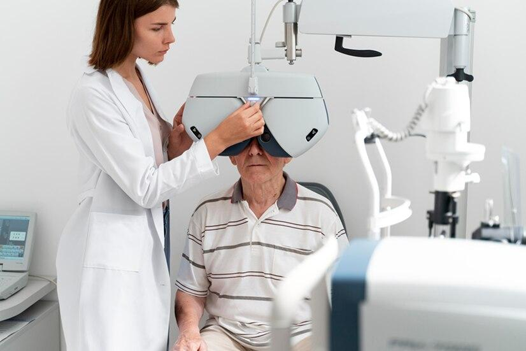
During a comprehensive eye exam, an ophthalmologist will evaluate various aspects of your vision, such as visual acuity, eye muscle coordination, and peripheral vision. They will also examine the structures of your eyes, including the cornea, lens, and retina, using specialized instruments.
These routine check-ups can help detect common eye conditions, such as refractive errors (nearsightedness, farsightedness, and astigmatism), cataracts, glaucoma, and age-related macular degeneration. Early detection allows for timely treatment, which can significantly reduce the risk of vision loss and improve the effectiveness of interventions.
Remember, regular eye check-ups are important for both individuals experiencing vision problems and those who may not be experiencing any noticeable symptoms. Taking a proactive approach to eye care can help maintain good vision and prevent potential complications in the future.
Common Eye Conditions And Diseases
Ophthalmologists are experts in diagnosing and treating various eye conditions and diseases. Some of the most common conditions they encounter include:
Refractive Errors
Refractive errors, such as nearsightedness, farsightedness, and astigmatism, affect how light is focused on the retina, resulting in blurred vision. To correct these conditions, ophthalmologists can prescribe corrective lenses or perform refractive surgeries, such as LASIK.
Cataracts
Cataracts occur when the eye’s lens becomes cloudy, leading to blurred vision, sensitivity to light, and difficulty seeing at night. Ophthalmologists can surgically remove and replace the cloudy lens with an artificial lens, restoring clear vision.
Glaucoma
Glaucoma is a group of eye conditions characterized by damage to the optic nerve, often caused by increased pressure within the eye. If left untreated, glaucoma can lead to permanent vision loss. Ophthalmologists use various treatments, including medications, laser therapy, and surgery, to manage glaucoma and prevent further damage.
Age-Related Macular Degeneration
Age-related macular degeneration (AMD) is a progressive condition that affects the macula, the central part of the retina responsible for sharp central vision. Ophthalmologists can provide treatments to slow the progression of AMD and preserve vision.
These are just a few examples of the numerous eye conditions and diseases that ophthalmologists diagnose and treat. Their expertise allows them to develop personalized treatment plans tailored to each patient’s specific needs.
Ophthalmic Surgeries And Procedures
Ophthalmic surgeries and procedures are an integral part of an ophthalmologist’s practice. These specialized interventions aim to correct vision problems, restore visual acuity, or address underlying eye conditions. Some of the most common ophthalmic surgeries and procedures include:
Cataract Surgery
As mentioned earlier, cataract surgery involves removing and replacing the cloudy lens with an artificial lens. This procedure is highly effective in restoring clear vision and is one of the most commonly performed surgeries worldwide.
Lasik And Prk
Laser-assisted in situ keratomileusis (LASIK) and photorefractive keratectomy (PRK) are refractive surgeries used to correct nearsightedness, farsightedness, and astigmatism. These procedures reshape the cornea to improve how light is focused on the retina, resulting in clearer vision.
Retinal Surgeries
Ophthalmologists perform a range of retinal surgeries to treat conditions such as retinal detachment, diabetic retinopathy, and macular holes. These surgeries aim to repair or stabilize the delicate structures of the retina, preserving or restoring vision.
Glaucoma Surgeries
In cases where medications and laser therapy are insufficient in managing glaucoma, ophthalmologists may recommend surgical procedures to reduce intraocular pressure and prevent further damage to the optic nerve.
These are just a few examples of the numerous ophthalmic surgeries and procedures performed by ophthalmologists. Each intervention requires precise skill and expertise to ensure optimal outcomes and patient satisfaction.
The Role Of An Ophthalmologist In Diagnosing And Treating Eye Conditions
Ophthalmologists play a critical role in diagnosing and treating eye conditions. Their comprehensive medical knowledge and specialized training allow them to diagnose various eye diseases and disorders accurately.
When a patient presents with eye symptoms or concerns, an ophthalmologist will thoroughly examine the underlying cause. This may involve assessing visual acuity, exploring the external and internal structures of the eye, measuring intraocular pressure, and performing additional tests as required.
The ophthalmologist will develop a personalized treatment plan tailored to the patient’s needs based on the findings. This may include prescribing medication, recommending lifestyle modifications, implementing therapeutic interventions, or performing surgery.
Throughout the treatment process, ophthalmologists closely monitor their patients, ensuring that the chosen interventions are effective and adjusting the treatment plan as necessary. They also guide post-operative care and follow-up appointments to promote optimal healing and long-term visual health.
How To Choose The Right Ophthalmologist For Your Needs
Choosing the right ophthalmologist is crucial for receiving quality eye care. Here are some factors to consider when selecting an ophthalmologist:
Qualifications And Experience
Ensure the ophthalmologist is board-certified and has received the necessary training and qualifications. It is also beneficial to inquire about their experience treating specific eye conditions or performing specialized procedures.
Reputation And Patient Reviews
Research the ophthalmologist’s reputation and read patient reviews to gauge the quality of care they provide. Positive testimonials and recommendations can offer valuable insights into their expertise and patient satisfaction.
Technological Advancements
Inquire about the technologies and equipment utilized by the ophthalmologist. Advanced technologies can enhance the accuracy of diagnosis and improve treatment outcomes.
Accessibility And Convenience
Consider the location, availability, and accessibility of the ophthalmologist’s practice to ensure convenience and ease of access for regular check-ups and appointments.
Compatibility And Communication
It is essential to feel comfortable and confident with your ophthalmologist. Effective communication and a good rapport can foster a positive patient-doctor relationship and enhance the overall experience.
Considering these factors, you can make an informed decision when selecting an ophthalmologist who meets your specific needs and preferences.
Tips For Maintaining Good Eye Health
In addition to regular check-ups and seeking professional eye care, there are several steps you can take to maintain good eye health:
Protect your eyes from ultraviolet (UV) radiationWear sunglasses that offer UV protection when exposed to sunlight. Prolonged exposure to UV radiation can increase the risk of cataracts and other eye conditions.
Follow a balanced diet. To support overall eye health, incorporate foods rich in antioxidants, vitamins, and minerals into your diet. Include leafy greens, colorful fruits and vegetables, fish, and nuts in your meals.
Practice good hygiene. Wash your hands before touching your eyes or applying contact lenses to minimize the risk of infection.
Take regular breaks from digital screens. Extended periods of screen time can lead to eye strain and fatigue. Follow the 20-20-20 rule: Every 20 minutes, take a 20-second break to look at something 20 feet away.
Stay hydrated. Proper hydration is essential for maintaining healthy eyes. Drink an adequate amount of water throughout the day to prevent dry eyes.
Quit smoking. Smoking has been linked to an increased risk of developing age-related macular degeneration and other eye conditions. Quitting smoking can significantly benefit your eye health.
Adopting these simple yet effective habits can promote good eye health and reduce the risk of developing certain eye conditions.
The Future Of Ophthalmology
The field of ophthalmology is continuously evolving, with advancements in technology and research offering new possibilities for diagnosing, treating, and preventing eye conditions.
Advances in imaging technologies, such as optical coherence tomography (OCT) and adaptive optics, have revolutionized how ophthalmologists visualize and analyze the eye’s structures. These non-invasive imaging techniques provide detailed, high-resolution images, allowing for early detection and precise monitoring of various eye diseases and conditions.
Furthermore, gene therapy and stem cell research hold promise in treating inherited retinal diseases and regenerating damaged retinal cells. These emerging therapies can transform the treatment landscape for previously untreatable conditions, offering hope to patients with vision loss.
Telemedicine and remote monitoring technologies are also becoming increasingly integrated into ophthalmology practice. These advancements enable ophthalmologists to remotely assess patients, monitor treatment progress, and provide virtual consultations, improving access to specialized eye care, especially in underserved areas.
As technology continues to advance, ophthalmologists will be able to provide even more accurate diagnoses, personalized treatment plans, and improved outcomes for their patients. The future of ophthalmology is bright, promising continued advancements and innovations in preserving and restoring vision.
Conclusion
Ophthalmologists are invaluable in the field of eye care. They use their extensive medical knowledge and expertise to diagnose and treat a wide range of eye conditions. From routine eye exams to complex surgeries, they are crucial in safeguarding our vision and eye health.
Regular eye check-ups, proper eye care habits, and selecting the right ophthalmologist are essential for maintaining good eye health. By prioritizing our vision and seeking professional eye care, we can ensure the longevity and quality of our eyesight.
As the field of ophthalmology advances, we can look forward to even more innovative treatments and interventions that will further enhance our ability to preserve, restore, and protect our precious sense of sight.
If there were one word most people would choose to associate with your hair falling out, it would be “distressing.” Not only does it impact your physical appearance, but it also impacts your emotional well-being. We’re not talking about the occasional hair shedding— but rather full-fledged excessive hair loss and thinning.
This can be a big concern for people who’ve never experienced this problem before. The good news is that even though it’s new to you, it’s something many people have gone through before, and many will continue to go through after. By understanding the potential reasons, you can look for a solution, and hopefully restore a healthy head of hair once again
To help you get to the root of the problem (pun intended) here are some of the potential reasons why you may be losing your hair.
Age
There are some people that have had a healthy head of hair their entire lives, yet as they get older, they may start experiencing a receding hairline or thinning at the crown. While in some cases this may be an inevitable part of getting older, other people may not be so ready to accept this stage of life and may turn to treatments like Rogaine, or Propecia which can promote new hair growth, and slow down hair loss.
Genetics
In some cases, your hair loss may be a simple matter of genetics. If you had a parent or even grandparent with male pattern or female pattern baldness, then you may be experiencing something hereditary. While there may be some treatments or solutions available to you, usually reversing genetic hair loss is a complicated process and a battle you may not be able to win.
Stress
Believe it or not, stress may be the culprit for why you’re losing hair. If you’ve recently been going through a stressful time, then the stress can start to manifest itself physically, often through hair loss. The reason for this is that stress triggers a hormone called cortisol, and this hormone can disrupt the hair cycle, resulting in excessive shedding.
If you’ve noticed that your hair loss and stress seem to line up, then you might want to consider some stress management techniques. From deep breathing to meditation, consider finding ways to reduce or even eliminate the amount of stress in your life so that your hair can get back on track.
Remember, less stress in your life is not only a good thing for your hair. Your heart, your skin, and your digestion will all thank you for a calmer lifestyle.
Nutrition
If you eat a diet that lacks certain vitamins or nutrients, then this could be contributing to your hair loss. Nutrient deficiencies, iron deficiencies, in particular, are often associated with hair loss and shedding.
If you suspect this may be the issue, then it’s time to revamp your diet. Start incorporating more fresh fruits and vegetables in your diet, and lean proteins. These hair-friendly foods will ensure an adequate amount of nutrients to promote growth.